 FREE SHIPPING IN THE US!
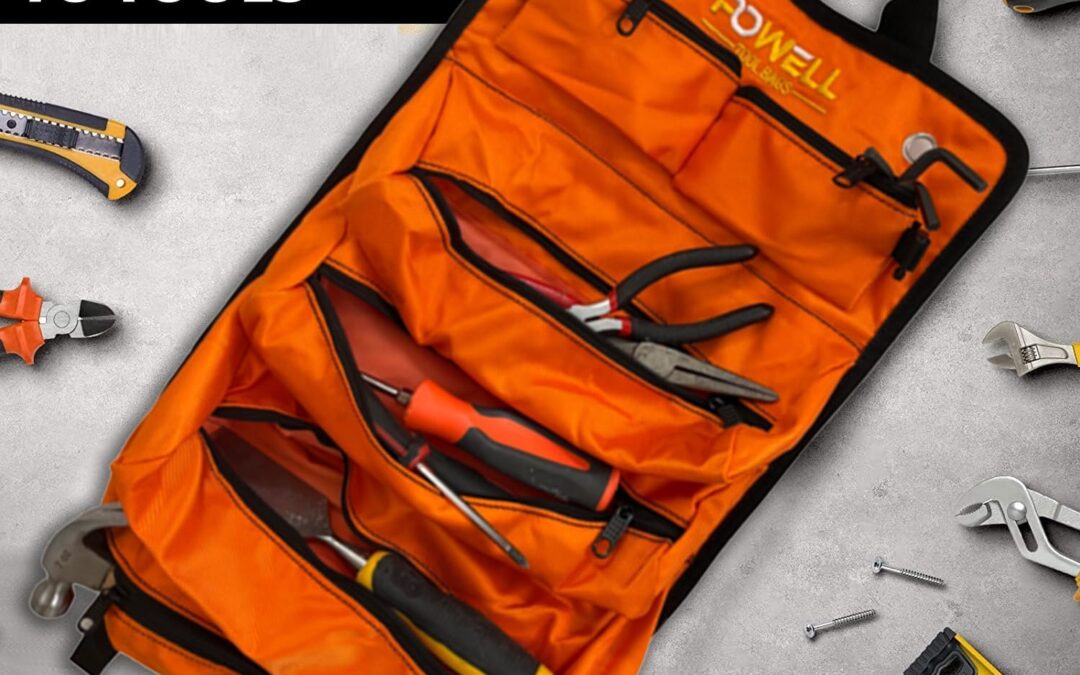
Ask any seasoned mechanic what separates a frustrating day in the workshop from a productive one, and the answer often comes down to organisation. No matter how skilled the technician or how well-stocked the garage, working without a reliable storage solution turns simple jobs into time-consuming hunts for misplaced tools. A quality mechanic tool bag is far more than a place to stash your spanners — it is the foundation of an efficient, professional working environment that lets you focus entirely on the task at hand.
With so many options on the market, choosing the right bag for your needs can feel overwhelming. This guide walks you through everything you should consider, from materials and capacity to layout and portability, so that your next purchase is one you will rely on for years to come.
Why Your Tool Storage Solution Matters
Tools represent a significant financial investment. Leaving them loose in the back of a van, piled into an open crate, or scattered across a workbench exposes them to damage, loss, and unnecessary wear. Worse, disorganisation costs time — and in a professional setting, time is money. A well-designed mechanic tool bag keeps every wrench, socket, screwdriver, and plier in a designated place, meaning you can locate what you need instantly, even in low-light conditions or when working under a vehicle.
Beyond organisation, a good bag protects your tools from moisture, impact, and contamination. Corrosion is one of the leading causes of premature tool degradation, and a bag with a water-resistant lining or weatherproof exterior provides a crucial layer of defence against the damp conditions mechanics often work in. Padded interiors and reinforced bases further cushion precision instruments from the knocks and drops of daily use.
Key Features to Look For
Material and Construction — The outer shell of your bag needs to withstand the rigours of workshop and field use alike. Heavy-duty polyester, ballistic nylon, and canvas are among the most popular choices, each offering a different balance of weight, durability, and weather resistance. Look for reinforced stitching at stress points such as handles and pocket edges, as these are the first areas to fail under repeated loading.
Capacity and Layout — Think carefully about the volume of tools you carry on a typical job. A bag that is too small forces you to leave essential items behind; one that is too large becomes unwieldy and difficult to search quickly. The internal layout is equally important — multiple zippered compartments, exterior pockets, and dedicated sleeve holders for screwdrivers or pliers allow you to create a logical, consistent arrangement that you can navigate instinctively.
Carrying Options — Depending on how you move around your work site, you may prefer a shoulder strap, top handles, or a backpack-style harness. Many professional-grade bags offer all three, giving you flexibility to carry your load in the most comfortable way for each situation. Padded shoulder straps and ergonomic handles make a tangible difference when you are hauling a full set of tools across a large workshop or between job sites.
Base and Frame Support — A bag that collapses when set down makes retrieval awkward and risks damaging tools at the bottom of the pile. Rigid or semi-rigid bases keep the bag upright and stable, while internal frames prevent the sides from sagging inward and obscuring smaller pockets. This structural integrity is particularly important for larger bags carrying heavier loads.
Matching the Bag to Your Role
Not every mechanic has the same requirements. A mobile auto technician attending roadside breakdowns needs a compact, grab-and-go solution that fits easily into a vehicle. A workshop-based engineer servicing heavy plant machinery may require a large, multi-compartment holdall capable of housing an extensive toolkit. Electricians, plumbers, and HVAC engineers each have specialist tools with specific storage demands, from long-handled instruments to delicate gauges and meters.
Consider whether you predominantly work in a single location or travel between multiple sites. Those who are regularly on the move benefit from bags with secure closures, lockable zips, and strong carry systems that prevent tools from shifting in transit. Workshop-based mechanics may prioritise accessibility and capacity over portability, favouring wide-opening designs that give an unobstructed view of the full contents at a glance.
Investing in Quality That Lasts
It is tempting to opt for the cheapest option available, particularly when outfitting a new workshop or replacing a bag that has finally given out. However, a low-cost bag made from thin materials with flimsy zips will rarely survive more than a few months of hard use. The false economy of repeated replacements far outweighs the upfront cost of a quality product built to endure. At Powell Tool Bag, we have built our range around the principle that professional tools deserve professional storage. Every bag in our collection is engineered for real-world conditions, tested under the demands that mechanics and tradespeople face every day.
Find Your Ideal Bag Today
Whether you are a seasoned professional upgrading an ageing kit or a newcomer building your first workshop setup, the right mechanic tool bag will pay dividends in time saved, tools protected, and jobs completed with greater confidence. Explore the full range at Powell Tool Bag and find the storage solution that matches your trade, your tools, and your ambitions.