 FREE SHIPPING IN THE US!
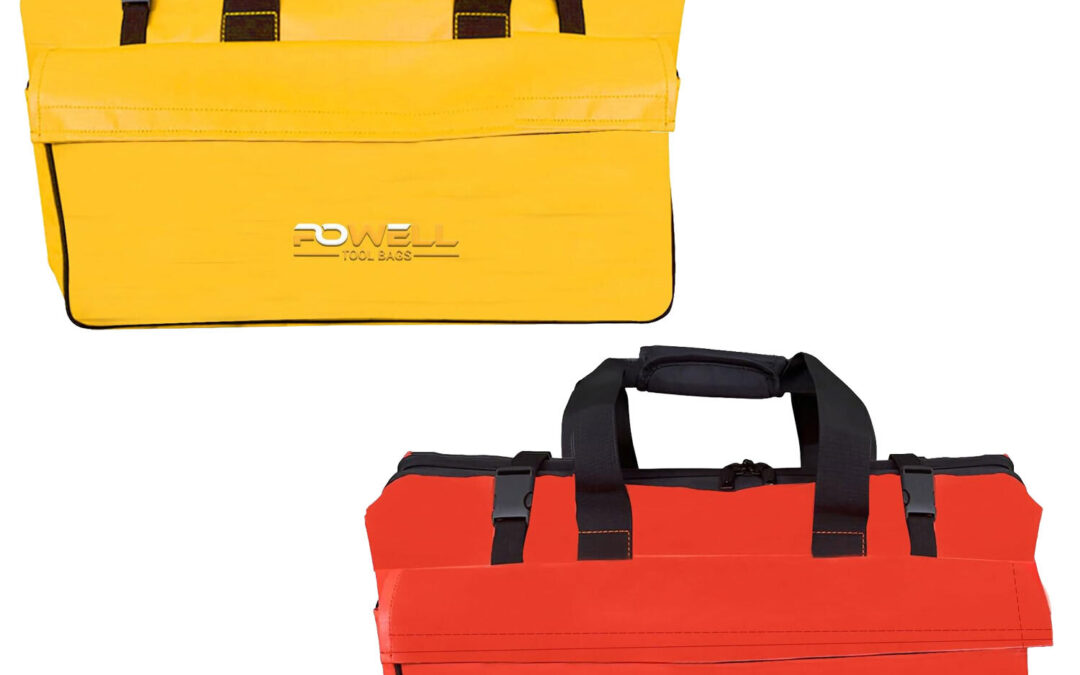
If you work in the trades or spend serious time on job sites, your gear is only as good as what carries it. A flimsy bag that tears, sags, or loses its zipper mid-project is more than an inconvenience — it is a liability. That is exactly why investing in heavy duty tool bags is one of the smartest decisions any professional can make. Built to withstand daily punishment, extreme weather, and the weight of a full load of equipment, these bags are the backbone of an efficient, organized work life.
What Makes a Tool Bag Truly Heavy Duty?
The term “heavy duty” gets thrown around a lot in the tool storage market, but genuine heavy duty construction comes down to a handful of specific qualities that separate the best bags from the rest.
Fabric Strength: Premium tool bags are crafted from materials such as 1680D ballistic nylon, reinforced polyester, or waxed canvas. These fabrics resist abrasion, punctures, and moisture — critical attributes when your bag is sliding across concrete floors, getting rained on, or being tossed in and out of a truck bed every day.
Reinforced Base: A heavy duty bag needs a solid, rigid base that prevents sagging and protects contents from ground moisture. Look for molded plastic or high-density foam bases that maintain the bag’s shape even under a full load.
Stitching and Hardware: Triple-stitched seams and industrial-grade metal zippers are non-negotiable. These are the stress points that fail first on inferior bags, so scrutinize them carefully before purchasing. Bar-tacked stress points and riveted handles add another layer of long-term reliability.
Handle and Strap Systems: Ergonomic padded handles and adjustable shoulder straps are critical for reducing fatigue on long days. If you are carrying heavy loads across a job site repeatedly, poor strap construction can cause genuine physical strain over time.
The Right Size for the Right Job
One of the most overlooked aspects of choosing a tool bag is getting the right size for your specific work. Too small and you are constantly leaving essential tools behind; too large and you end up carrying unnecessary weight that slows you down.
For electricians and plumbers who need a curated set of hand tools, a compact open-top tote in the 16–18 inch range offers fast access and easy portability. Carpenters and general contractors who carry a broader range of tools typically benefit from a larger 24–30 inch bag with multiple exterior pockets and dedicated compartments for different tool categories.
For those who need both hands free on the job, a backpack-style tool bag offers excellent weight distribution without sacrificing storage capacity. These are especially popular with HVAC technicians and service professionals who move frequently between locations throughout the day.
Organization Features That Save Time on the Job
A great tool bag does more than just hold your gear — it helps you find the right tool at the right moment without digging through a cluttered pile. Smart organization features can meaningfully reduce downtime and improve your workflow.
Interior tool loops and pockets keep commonly used items like pliers, screwdrivers, and tape measures immediately visible and accessible. Exterior zippered pockets are ideal for fasteners, blades, and smaller accessories that would otherwise get buried at the bottom of the bag. Some premium bags also include dedicated sleeves for tablets, jobsite phones, or documents — a useful feature for crew leads and project managers.
Powell Tool Bags: Built for the Professionals Who Demand More
At Powell Tool Bags, we engineer every bag with the working professional at the center of our design philosophy. We understand that your tool bag takes a beating every single day — dragged across rough surfaces, soaked in rain, stuffed to capacity and then some. That is why we source only the toughest materials and pair them with smart organizational layouts that keep your tools accessible from the first job of the morning to the last one of the evening.
Our lineup spans open-top totes, zippered duffels, and backpack-style carriers, giving every type of tradesperson a purpose-built option that matches their workflow. Every product in our range is tested under real job site conditions before it ever reaches a customer.
Long-Term Value: Why Quality Pays Off
It can be tempting to reach for the cheapest option on the shelf, but low-cost tool bags almost always cost more in the long run. When seams split, zippers fail, and bases collapse after just a few months of use, you are back to square one — spending money again and losing time in the process.
A quality pair of heavy duty tool bags can last for years, even decades, with basic care. That kind of durability translates directly into lower long-term costs and less frustration on the job. Think of it as the same logic you apply to your tools: buy quality once, and it pays for itself many times over.
Final Thoughts
Your tools represent a significant investment. They deserve to be carried, stored, and protected by a bag that is built to the same standard. Whether you are a seasoned electrician, a master carpenter, or a multi-trade contractor, upgrading to heavy duty tool bags is a practical decision that improves your daily workflow, protects your equipment, and reflects the professional pride you bring to every job. Invest in the right bag, and it will be one of the best decisions you make for your career.